
How Behavioral Skills Training Benefits Children With Autism: Key Autism Behavioral Therapy Outcomes and Parent Training Insights
Behavioral Skills Training (BST) provides a systematic framework for teaching and generalizing skills that children with autism often find challenging. With autism spectrum disorder affecting approximately one in 36 children in the United States, families seek interventions that deliver measurable improvements in social interaction, daily living, and behavioral regulation. This article defines the principles of BST, explains how it integrates into Applied Behavior Analysis therapy, and explores its impact on social communication, adaptive routines, challenging behaviors, and parent‐mediated generalization. Readers will gain insight into BST’s core components, discover specific skill targets, and learn strategies for empowering caregivers to act as co-therapists—all within an evidence-based structure designed to promote independence and positive outcomes.
What Is Behavioral Skills Training and How Does It Support Children With Autism?
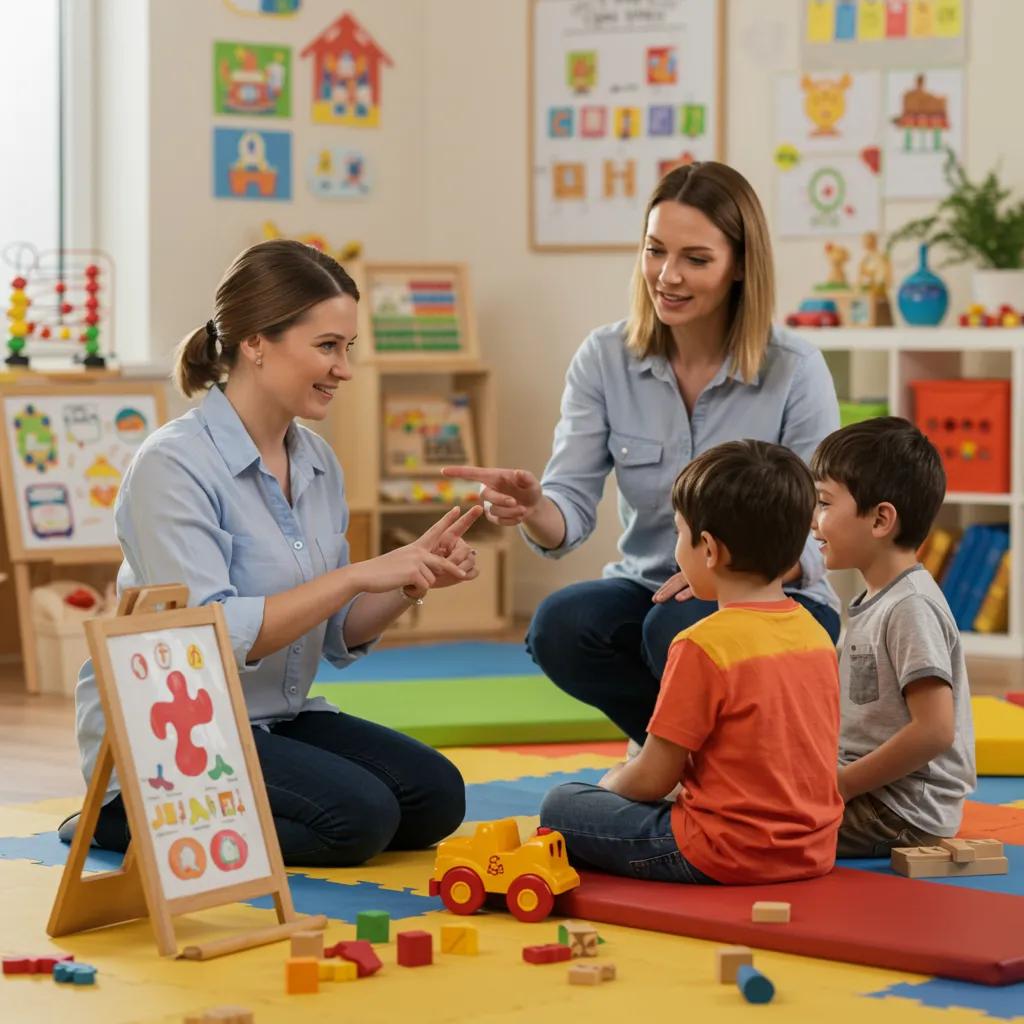
Behavioral Skills Training (BST) is a structured teaching method that improves skill acquisition in children with autism by combining direct instruction, modeling, rehearsal, and feedback. Within the broader Applied Behavior Analysis framework, BST applies data-driven procedures to break complex behaviors into teachable steps and reinforce successful performance. This approach promotes reliable mastery and generalization of targeted skills, setting the foundation for meaningful independence and social engagement. Understanding these elements leads to the core components of BST in autism therapy.
What Are the Core Components of Behavioral Skills Training in Autism Therapy?
| Component | Definition | Outcome |
|---|---|---|
| Instruction | Clear description of the target behavior | Establishes expectations |
| Modeling | Demonstration of correct performance | Provides visual example |
| Rehearsal | Practice through role-playing or drills | Builds fluency |
| Feedback | Specific praise and corrective guidance | Reinforces accuracy and motivation |
These components work in tandem to promote reliable skill acquisition and set the stage for broader ABA integration.
How Does BST Fit Within Applied Behavior Analysis (ABA) Therapy for Autism?
BST integrates into ABA therapy as a specialized instructional procedure within the broader behavior analytic framework. It aligns seamlessly with individualized treatment plans by focusing on discrete skill targets while adhering to data collection and reinforcement schedules. This integration enhances the precision of skill teaching and supports consistent progress monitoring, ensuring that each child’s unique learning profile guides intervention.
Which Skills Does BST Target to Improve Autism Outcomes?
- Social communication skills such as greeting, turn-taking, and eye contact.
- Adaptive living abilities including self-care routines and hygiene.
- Play and leisure activities that foster independent engagement.
- Safety and community awareness like street crossing and stranger caution.
Targeting these areas enables children to develop independence and meaningful social engagement.
How Does Behavioral Skills Training Improve Social Skills in Children With Autism?
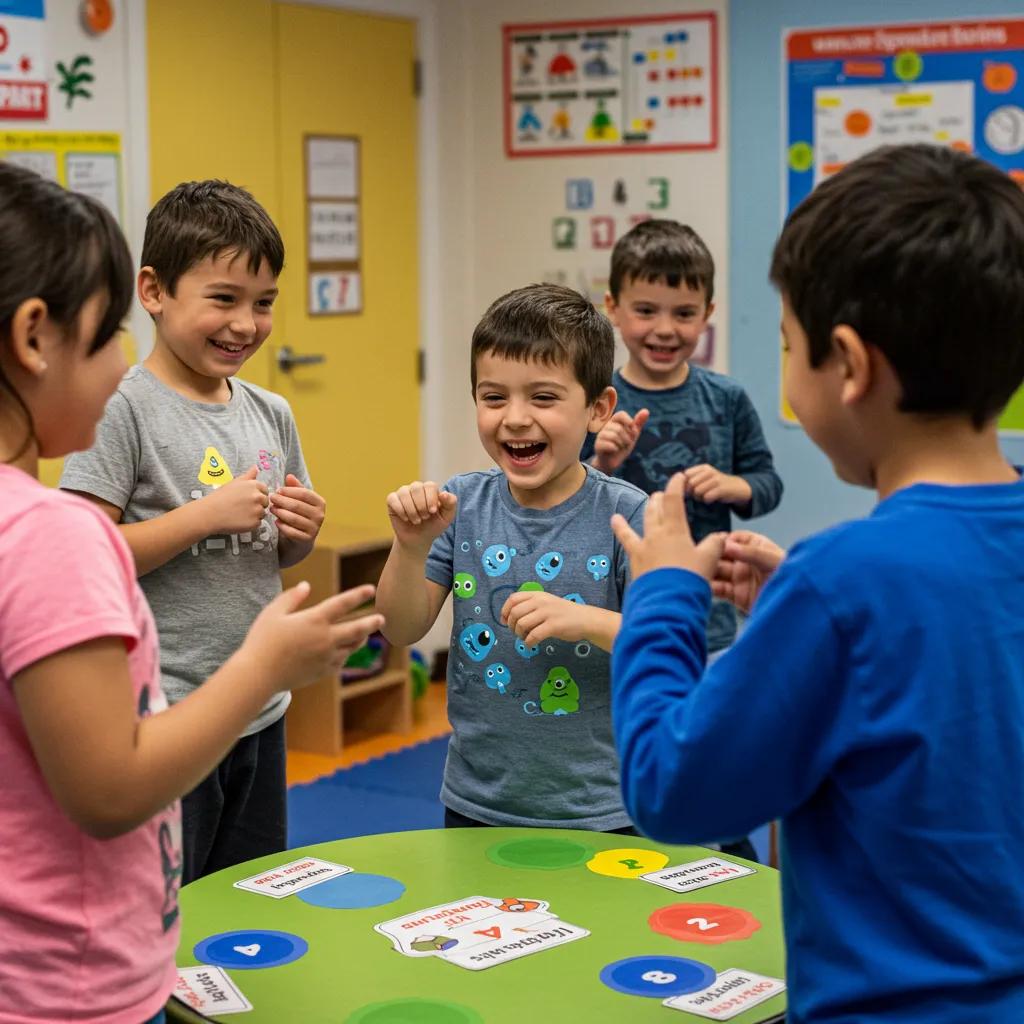
BST improves social skills in children with autism by providing structured opportunities to learn, practice, and receive reinforcement for specific social behaviors. By defining clear prompts and gradually fading assistance, BST builds confidence and fluency in real-world interactions. For example, a child learns to greet peers through modeling nested within play routines, then receives immediate positive feedback for spontaneous initiations. Key social communication outcomes emerge through focused BST sessions.
What Social Communication Skills Are Developed Through BST?
- Greeting peers with appropriate words and gestures.
- Maintaining eye contact and interpreting facial expressions.
- Using conversational tone and volume.
- Responding to social prompts and joint attention bids.
Developing these skills supports deeper peer relationships and smoother group interactions.
How Does BST Teach Joint Attention and Conversational Skills?
BST teaches joint attention by modeling gaze shifts and prompting shared focus on objects, then reinforcing spontaneous pointing or eye contact. Conversational skills develop through structured role-plays that practice turn-taking, topic initiation, and polite closures, with constructive feedback guiding improvements.
In What Ways Does BST Enhance Adaptive and Daily Living Skills for Autistic Children?
Adaptive living skills include activities essential for independence and well-being. BST breaks tasks into manageable steps, uses chaining to link actions, and applies consistent reinforcement for each successful component. Children acquire self-care and household routines more rapidly when tasks are taught sequentially and positively reinforced, leading to improved autonomy and self-esteem. Self-care routines exemplify this process.
How Does BST Support Self-Care and Hygiene Routines?
BST protocols for self-care and hygiene involve teaching step-by-step sequences that children rehearse until fluent. Key routines include:
- Hand washing with correct soap and water duration.
- Tooth brushing using proper motion and timing.
- Dressing by following garment order and fasteners.
- Toilet training through scheduled prompts and rewards.
Mastery of these routines advances daily independence and self-confidence.
What Role Does BST Play in Teaching Independent Play and Community Safety?
BST promotes independent play by modeling appropriate toy choices and reinforcing sustained engagement. For community safety, role-play scenarios teach crossing streets, responding to traffic signals, and stranger awareness, with immediate feedback ensuring comprehension and retention.
How Can Behavioral Skills Training Help Reduce Challenging Behaviors in Children With Autism?
Challenging behaviors often serve communicative or sensory functions. BST applies functional behavior assessment to identify triggers, determine behavior functions, and design replacement skill interventions. Once the function is clear, BST teaches alternative responses—such as requesting a break or using calming strategies—then reinforces these communicative skills, reducing aggression and self-injury by providing effective outlets for underlying needs. This assessment ensures BST targets root causes of problem behaviors and informs replacement skill training.
What Is the Role of Functional Behavior Assessment in BST?
Functional behavior assessment in BST includes these steps:
- Identifying behavior functions through observation and interviews.
- Collecting baseline data on frequency, intensity, and context.
- Developing hypotheses about triggers and maintaining consequences.
- Designing tailored interventions that teach alternative skills.
This assessment ensures interventions address the root cause of behaviors and promote lasting change.
How Does BST Teach Replacement Behaviors for Aggression and Self-Injury?
BST instructs children in using appropriate communication strategies—such as requesting help or breaks—in place of aggression or self-injury. Through modeling and guided rehearsal, children practice these skills and receive positive reinforcement when they replace challenging behaviors with functional alternatives.
Why Is Parent Training Essential in Behavioral Skills Training for Autism?

Parent training equips caregivers to deliver BST consistently across home and community settings, promoting generalization and maintenance of learned skills. By learning to model behaviors, provide prompts, and reinforce performance, parents enhance the intensity and reach of interventions. Families experience greater confidence and observe accelerated progress when they actively participate as co-therapists. Acting in this role empowers caregivers and extends intervention throughout the child’s day.
Research has demonstrated the effectiveness of parent training in generalizing skills taught to children with autism.
Generalizing Parent Training for Teaching Children with Autism
… conducted to assess the generalized effectsof several different parent/teacher … autistic child new behaviors was sufficient to teach parents how to teach those children those behaviors…GENERALIZATION OF PARENT‐TRAINING RESULTS1, RL Koegel, 1978
How Can Parents Act as Co-Therapists in BST?
Parents take on co-therapist responsibilities by:
- Observing expert demonstrations of BST procedures.
- Practicing prompts and modeling under supervision.
- Collecting simple data on skill performance during routines.
- Delivering immediate reinforcement for accurate responses.
This collaboration strengthens caregiver competence and ensures consistent learning opportunities.
What Strategies Help Parents Generalize BST Skills at Home?
To support skill generalization, parents can:
- Incorporate practice into daily activities like meals and playtime.
- Maintain consistent prompts and reinforcement across settings.
- Gradually fade assistance as independence increases.
- Monitor progress and adjust goals to match emerging abilities.
Generalization strategies ensure that learned skills persist beyond structured sessions, fostering durable independence.
The effectiveness of parent-implemented behavioral skills training has been highlighted in studies focusing on social skills development.
Parent-Implemented Behavioral Skills Training for Social Skills in Autism
… of behavioral skills training (BST) on teaching four parents of children with ASDs to be social skills … description of a typical social interaction, the rationale for the skill, and the name of the …Parent‐implemented behavioral skills training of social skills, Unknown Author, 2017
Furthermore, parent training programs have been shown to enhance the acquisition and generalization of specific teaching skills, such as discrete trial teaching.
Parent Training for Autism: Acquiring Discrete Trial Teaching Skills
… parent training program on the acquisition and generalization of discrete trial teaching (DTT) procedures with two parents of children with autism. Over the course of the program, …Parent training: Acquisition and generalization of discrete trials teaching skills with parents of children with autism, JL Crockett, 2007
Children experience enhanced social engagement, daily living competence, and reduced problem behaviors when Behavioral Skills Training is applied within an evidence-based ABA framework. By defining clear teaching steps, providing consistent reinforcement, and training parents as co-therapists, BST supports meaningful skill acquisition and generalization. Families seeking structured, measurable progress should consider comprehensive ABA therapy services that integrate BST methods for sustained improvements in quality of life.