
How Collaborative ABA Therapy Bolsters Early Intervention for Better Developmental Outcomes
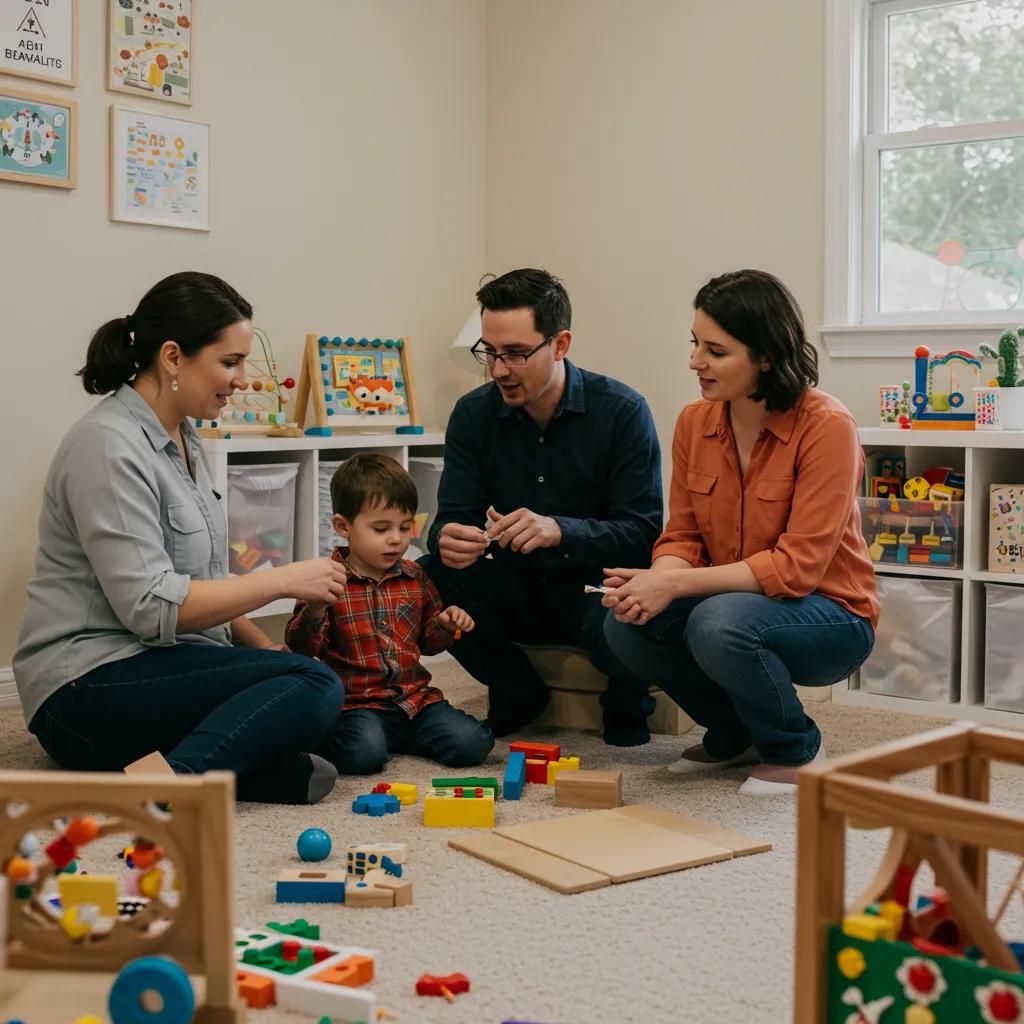
Collaborative Applied Behavior Analysis (ABA) therapy integrates multidisciplinary expertise and family engagement to improve developmental trajectories during the critical early intervention window. Parents and professionals often struggle to maintain consistent strategies across home, clinical, and educational settings, leading to fragmented progress and unmet milestones. By uniting Board Certified Behavior Analysts, caregivers, pediatricians, and allied therapists around shared objectives, collaborative ABA therapy delivers cohesive intervention plans, ongoing coaching, and real-time adjustments that accelerate skill acquisition. This article will define collaborative ABA and its role in early intervention, explore the importance of parent and caregiver involvement, examine interdisciplinary team approaches, highlight key benefits and outcomes, and offer strategies to overcome common collaboration challenges. Introducing these themes upfront ensures clear pathways to enhanced developmental outcomes and stronger family empowerment through collaborative ABA strategies.
What Is Collaborative ABA Therapy and How Does It Support Early Intervention?
Collaborative ABA therapy combines Board Certified Behavior Analysts with family members and allied professionals to create integrated treatment protocols that accelerate learning and behavioral gains. This unified approach leverages shared data and coordinated reinforcement techniques, promoting consistent implementation across all environments. By aligning stakeholders on measurable goals, collaborative ABA supports early identification of delays, rapid skill development, and smoother transitions into preschool or community settings, laying the groundwork for sustained progress.
How Does Collaboration Enhance ABA Therapy Effectiveness?
Collaboration enhances ABA therapy by pooling diverse expertise to refine intervention techniques and maintain consistency across settings. It reduces the risk of practice drift by ensuring that caregivers and therapists use uniform strategies.
- Shared expertise ensures that evidence-based practices are adapted swiftly to each child’s evolving needs.
- Consistent implementation across home, school, and therapy sessions minimizes generalization gaps.
- Collective problem solving accelerates identification and resolution of barriers to progress.
These collaborative mechanisms elevate treatment fidelity and drive more rapid developmental improvements.
Who Are the Key Participants in Collaborative ABA Therapy?
- BCBA designs individualized protocols based on functional behavior assessments.
- Parents and caregivers provide daily support, reinforcement, and data collection in natural settings.
- Pediatricians oversee medical considerations, developmental screenings, and referrals.
- Occupational and speech therapists integrate motor, sensory, and communication goals into the ABA framework.
This diverse team structure ensures that each child receives comprehensive support tuned to both clinical objectives and everyday routines.
What Are the Core Principles of Collaborative ABA in Early Intervention?
A unified framework for early intervention rests on three foundational pillars that guide collaborative ABA therapy.
| Principle | Characteristic | Impact |
|---|---|---|
| Teamwork | Shared planning among BCBA and caregivers | Consistent intervention across environments |
| Shared Goals | Jointly defined objectives with each stakeholder | Aligned expectations increase engagement |
| Individualized Plans | Customized strategies based on functional analysis | Enhanced responsiveness to unique developmental needs |
Why Is Parent and Caregiver Involvement Crucial in Early ABA Therapy?
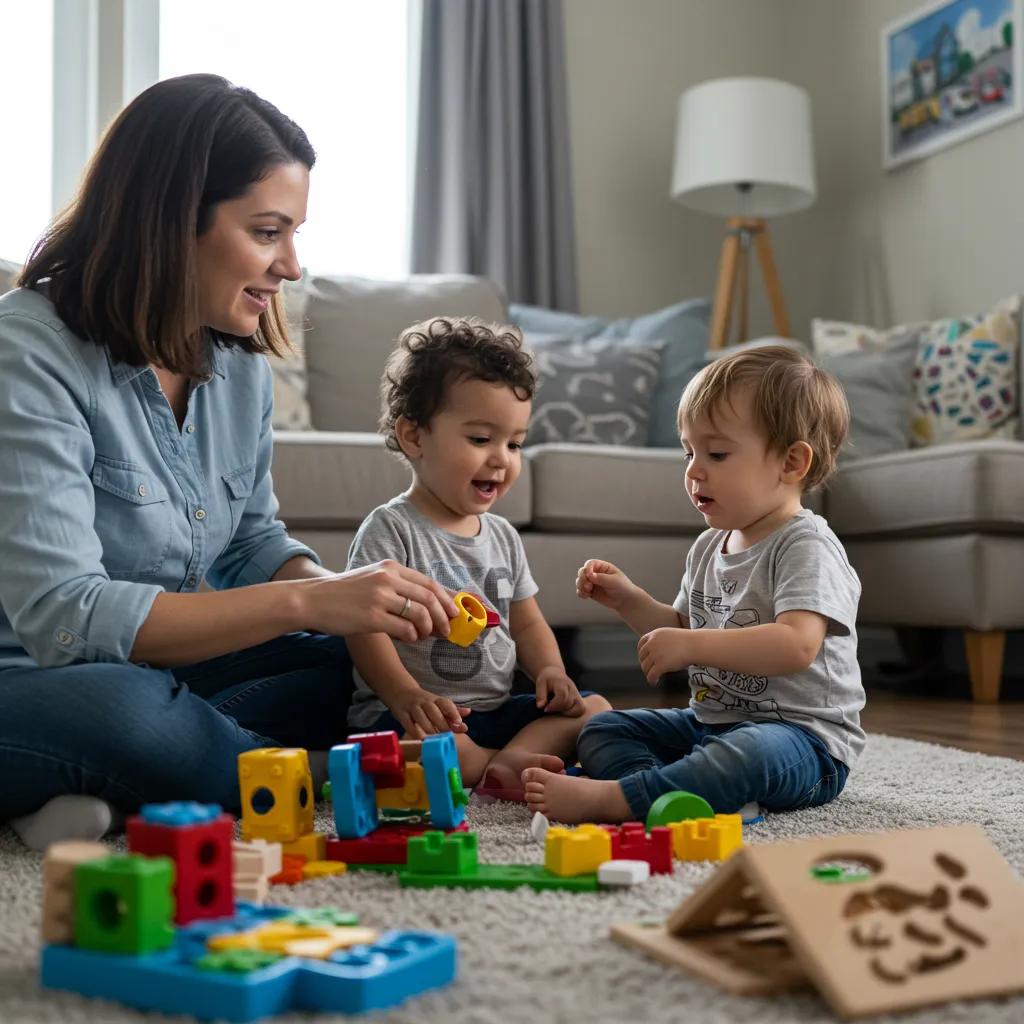
Parent and caregiver involvement anchors ABA therapy within the child’s daily life, ensuring that new skills are practiced and reinforced continuously. Their active participation enhances data accuracy, strengthens emotional support, and promotes generalization of targeted behaviors. Engaged caregivers serve as co-therapists who translate clinical objectives into routine activities, resulting in faster progress and more meaningful outcomes for young learners.
What Roles Do Parents and Caregivers Play in Collaborative ABA?
- They implement reinforcement schedules during meals, playtime, and transitions.
- They monitor and record behavior data to guide ongoing adjustments.
- They model appropriate social interactions and communication strategies.
This active partnership reinforces consistency and empowers families to sustain therapy gains long term.
How Does Parent Training Improve ABA Therapy Outcomes?
Parent training equips caregivers with the skills to deliver interventions accurately and confidently, reducing behavior challenges and enhancing developmental progress. Interactive coaching sessions teach data-driven techniques, modeling, and reinforcement strategies that caregivers can apply immediately. As proficiency grows, so does the child’s responsiveness, resulting in measurable improvements in communication, social engagement, and adaptive self-care skills.
What Strategies Foster Effective Parent-BCBA Collaboration?
- Establish regular progress meetings to review data and refine goals.
- Use clear, jargon-free language to explain behavior principles and protocols.
- Develop mutually agreed action plans that respect family routines and values.
By fostering transparency and respect, these strategies build trust and sustainable partnerships that drive therapy success.
How Does an Interdisciplinary Approach Strengthen Early Intervention ABA?

An interdisciplinary approach strengthens early intervention ABA by aligning complementary therapies around a unified developmental roadmap. When speech, occupational, and behavior analysts collaborate, each discipline reinforces the other’s objectives, creating synergistic pathways to communication, motor, sensory, and behavioral milestones. This holistic coordination accelerates progress and reduces the burden on families seeking multiple unconnected services.
Maximizing Autism Intervention Outcomes Through Interdisciplinary Collaboration
Interdisciplinary collaboration is essential to effective intervention for individuals with autism spectrum disorder (ASD). As the needs of individuals with ASD are complex, they benefit from the expertise of numerous disciplines. In addition, outcomes are enhanced when professionals from different fields of study work together in intervention. Collaboration across disciplines, however, is not always easily achieved. Differences in approaches to treatment, definitions of evidence, and worldview can make it difficult to find common ground and to agree on intervention paths. For behavior analysts, the firm commitment to evidence-based interventions can add to the dilemmas encountered. Behavior analysts need strategies both to help them adhere to their ethical requirements and to engage in interdisciplinary team collaboration. Skills that need to be emphasized in the training of behavior analysts include soft skills, such as listening and conflict resolution, minimizing the use of jargon, appreciating the contributions of other professions, and translating interventions into behavioral principles. In addition, behavior analysts need to become familiar with resources that are available to assist teams in treatment decisions, including position statements from allied disciplines and treatment resources for parents. There has been a call to collaborative practice in ASD treatment, including within behavior analysis. As collaboration is emphasized in the education and training of behavior analysts, more effective interdisciplinary treatment will occur, and outcomes of individuals with ASD will be maximized.Effective collaboration: Maximizing outcomes in autism intervention in an interdisciplinary model, L Tereshko, 2022
How Do BCBAs Collaborate with Pediatricians and Other Therapists?
- Joint assessment meetings ensure comprehensive profiling of each child’s strengths and challenges.
- Shared progress reports maintain transparency and guide medical or therapeutic adjustments.
- Aligned schedules enable seamless transitions between clinic appointments and school or home sessions.
This collaborative workflow enhances efficiency and keeps every professional informed of evolving needs.
What Are the Benefits of Integrating Speech, Occupational, and ABA Therapies?
| Therapy | Focus | Combined Outcomes |
|---|---|---|
| Speech | Language and communication skills | Improved social interaction and comprehension |
| Occupational | Motor coordination and sensory integration | Enhanced daily living skills and adaptive behaviors |
| ABA | Behavior modification and learning | Reinforced communication and self-care routines |
How Does Team-Based ABA Improve Skill Generalization Across Settings?
Team-based ABA promotes skill generalization by embedding intervention strategies into diverse contexts. When caregivers, educators, and therapists use the same prompts and reinforcement systems, children quickly transfer new behaviors from structured sessions into everyday routines. This consistency reduces regression and fosters independence across home, classroom, and community environments.
Defining and Enhancing Collaborative Practices in Behavior Analysis
Collaboration is a fundamental practice across various disciplines, including education and school-based services such as special education (McLeskey et al.,2017), speech-language pathology (ASHA,2024), school psychology (NASP,2020), social work (NASW,2012), and applied behavior analysis (BACB,2020; BACB,2022). This study examined how behavior analysts describe and engage in collaborative practices in school settings, analyzing qualitative data from 253 survey responses. Four primary themes emerged: (1) valuing the expertise of all team members, including families; (2) focusing on student-centered activities aligned with goals; (3) communicating respectfully and working together; and (4) making data-based decisions. Two secondary themes highlighted challenges to collaboration. Findings address a gap in the literature that examines the Board Certified Behavior Analysts’ (BCBAs) reported collaborative practices in school settings and suggest the following implications:Defining Collaborative Practices in Behavior Analysis, Unknown Author, 2025
What Are the Key Benefits and Outcomes of Collaborative ABA Therapy?
Collaborative ABA therapy enhances developmental outcomes by creating unified treatment ecosystems that adapt to each child’s learning pace. The synergy of multiple experts working toward common goals accelerates milestone attainment, improves adaptive behaviors, and builds family confidence. By leveraging shared data and continuous feedback loops, collaborative ABA delivers measurable gains that extend well beyond short-term targets.
How Does Collaboration Improve Developmental Milestones in Children?
Collaboration drives earlier attainment of communication, social, and self-help skills by ensuring interventions are practiced ubiquitously. Consistent parental reinforcement and interdisciplinary coordination accelerate language initiation, reduce challenging behaviors, and foster positive peer interactions. This unified effort yields faster progression through developmental milestones compared to isolated therapy models.
Navigating Crossroads: Interdisciplinary Teams and Alternative Treatments in Behavior Analysis
ABSTRACT: Behavior analysts collaborating within interdisciplinary teams are likely to find themselves at difficult crossroads. Some of these crossroads include implementing alternative treatments, defining and determining risk and harm, and evaluating research and interventions. The purpose of this paper is to highlight some of these crossroads and provide guidelines on successfully navigating them. We contend that it is possible to navigate these crossroads while minimizing harm or risk for the client, adhering to the principles of science and behavior analysis, and remaining respectful of all members of the interdisciplinary team. That is, we can maintain the scientific tenets of philosophic doubt, empiricism, and experimentation, while remaining humble, and ensuring our clients access the most effective interventions available.The Crossroads: Interdisciplinary Teams and Alternative Treatments., JB Leaf, 2023
What Long-Term Outcomes Result from Early Collaborative ABA Intervention?
- Sustained communication skills lead to stronger academic and social success.
- Adaptive behaviors promote higher self-esteem and community participation.
- Behavioral regulation reduces the need for intensive services later.
These outcomes underscore the lasting impact of a cohesive, team-oriented approach.
How Does Family Empowerment Enhance Therapy Success?
Family empowerment reinforces therapy success by embedding caregivers as active change agents in their child’s development. When families master intervention techniques and goal-setting, they sustain progress, anticipate emerging needs, and advocate effectively for support services. This confidence and autonomy create a stable environment for continued growth and resilience.
What Are Effective Strategies to Overcome Challenges in Collaborative ABA Therapy?
Implementing collaborative ABA can face obstacles such as scheduling conflicts, communication breakdowns, and role ambiguity. Addressing these challenges proactively through structured protocols, technology tools, and relationship-building activities maintains momentum and preserves stakeholder engagement. A problem-solving mindset combined with consistent feedback loops ensures that the collaborative framework remains agile and responsive.
How Can Communication Breakdowns Be Resolved Among ABA Teams?
- Define roles and responsibilities in advance to prevent overlap or confusion.
- Facilitate mediated discussions led by the BCBA to address conflicts promptly.
- Schedule brief weekly check-ins to synchronize updates and refine action steps.
Regular touchpoints and transparent guidelines restore alignment and strengthen team cohesion.
What Tools Support Coordination and Consistency in Collaborative ABA?
- Shared progress dashboards allow real-time tracking of behavioral targets.
- Cloud-based data logs enable caregivers to record observations immediately.
- Secure messaging channels facilitate quick clarifications and strategy adjustments.
These tools streamline workflow, reinforce protocol adherence, and empower every team member with up-to-date insights.
How Can Providers Foster Trust and Shared Understanding in Teams?
Providers build trust by engaging in empathetic listening, honoring family perspectives, and demonstrating competency. By co-creating goals, acknowledging cultural values, and celebrating incremental wins, teams nurture mutual respect. This relational foundation supports transparent communication and shared commitment to the child’s long-term success.
Collaborative ABA therapy transforms early intervention by uniting expertise, data, and family engagement around shared developmental goals. Integrating parents, BCBAs, pediatricians, and allied therapists ensures consistent implementation and rapid skill acquisition. Multidisciplinary coordination accelerates milestone achievement and fosters comprehensive growth across communication, motor, and behavioral domains. By embracing structured collaboration, families and professionals build durable pathways to sustained developmental gains and empowered, resilient children.