GUIDED OPPORTUNITIES TO LEARN WITH PEERS
Social Skills Groups
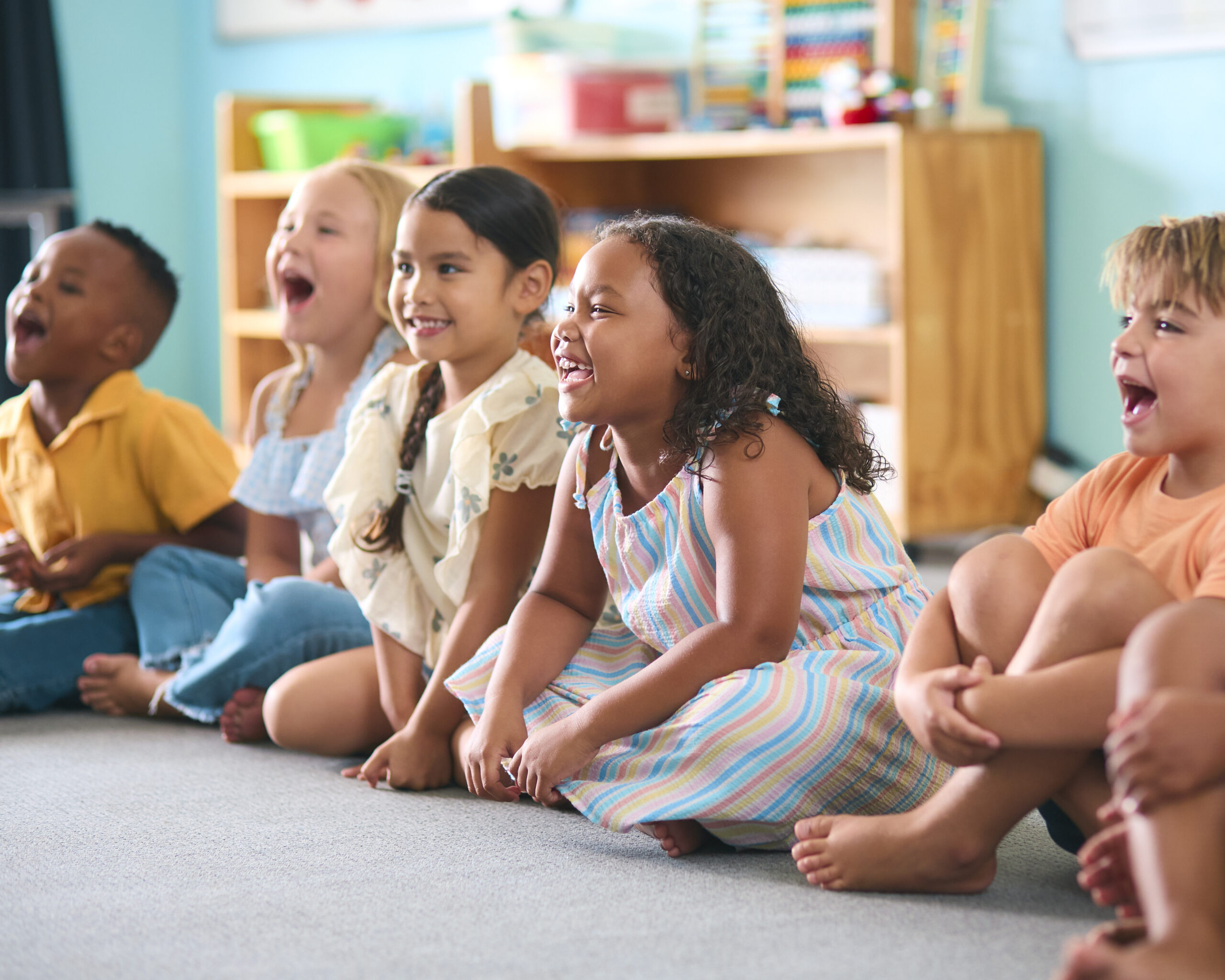
Social skills groups give children a supportive setting to practice communication, play, cooperation, friendship-building, and group participation.
*Note*
Group availability can depend on age, needs, skills, compatibility, and current scheduling.
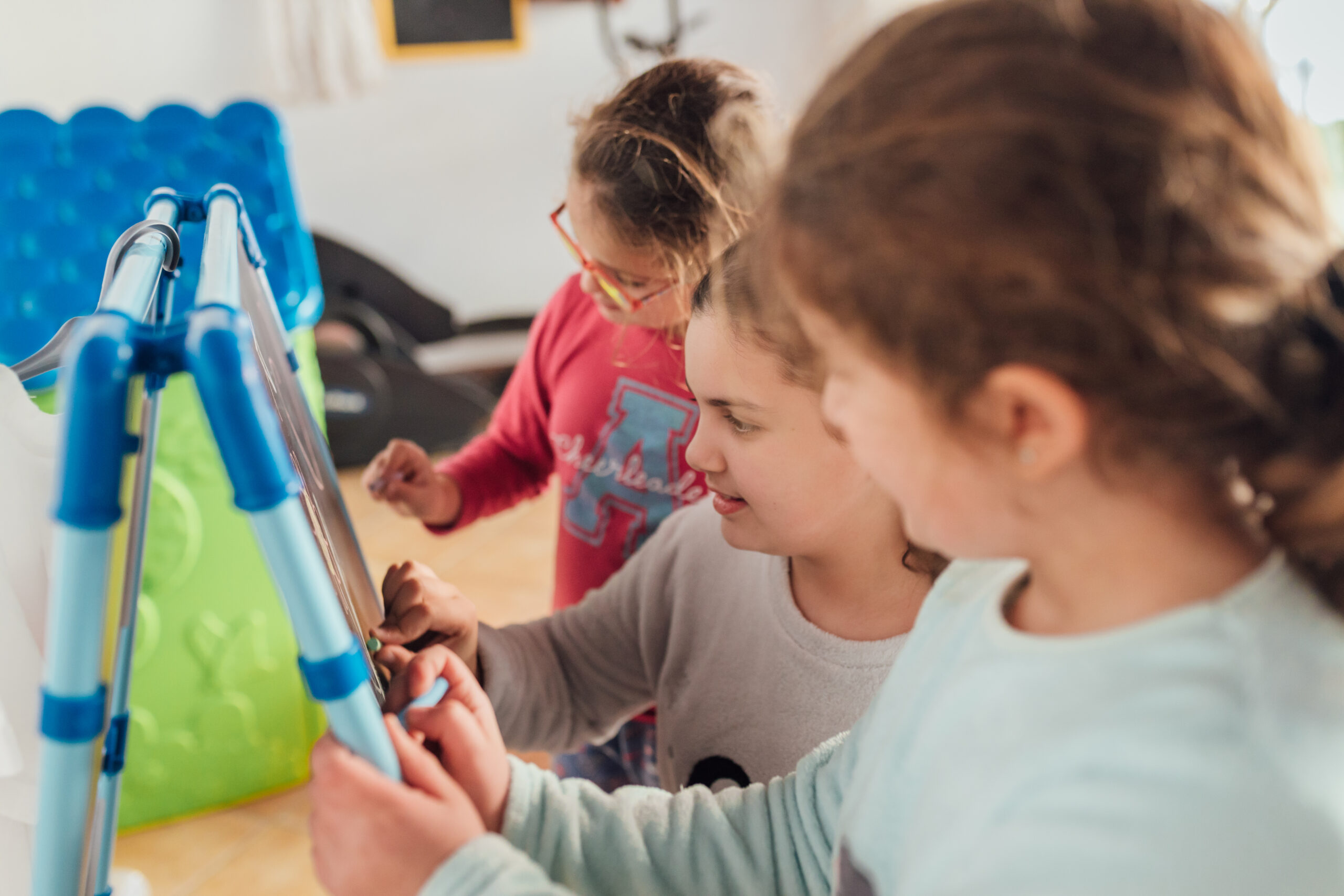
Activities are selected based on the needs and abilities of the children in each group. Our team provides guidance, prompts, and positive feedback while helping children use new skills in real interactions.
OVERVIEW
Practice social skills in a supportive setting
Knowing a social skill and using it with another person are not always the same thing.
✦
Small Groups
Group sizes are kept manageable so children can receive support and participate.
✓
Guided Practice
Staff help children understand expectations, respond to peers, and work through social situations.
●
Engaging Activities
Skills are practiced through games, projects, movement, conversation, and shared play.
Small-group activities allow children to practice with peers while receiving support from trained team members. Groups may include games, conversations, movement, shared projects, pretend play, and structured learning activities.
WHAT THIS SERVICE CAN SUPPORT
Social skills groups can support
Families often ask what practical goals this service can address. These are common areas of support.
Starting and maintaining conversations
Practice initiating, responding, and continuing simple social exchanges.
Taking turns and sharing
Build flexibility and cooperation through guided peer activities.
Joining group activities
Practice entering and participating in structured or play-based group activities.
Cooperative play
Develop skills for shared play, games, and collaborative activities.
Understanding social cues
Learn to notice and respond to expectations and peer communication.
Handling winning, losing, and changes
Practice coping with shifts, outcomes, and group expectations.
HOW IT WORKS
What families can expect
A clear process helps families understand what to expect before services begin.
01
Initial group inquiry
Families ask about current groups, age ranges, and availability.
02
Skills and placement review
The team reviews needs, skills, age, and group fit.
03
Group recommendation
Families receive recommendations based on compatibility and current options.
04
Participation and ongoing feedback
Children participate in group activities with communication about progress and next steps.
WHY FAMILIES CHOOSE LADDER OF SUCCESS
Why families choose our social groups
Families choose Ladder of Success ABA for practical planning, engaging sessions, and communication that keeps caregivers connected to care.
Thoughtful Group Placement
Children are grouped based on age, needs, skills, and group compatibility.
Structured Support
Activities have clear goals while still allowing children to interact naturally.
Skills That Transfer
The goal is to help children use social skills beyond the group setting.
HELPFUL NEXT READS
Supporting resources
Preschool Prep
Explore structured group support for younger children preparing for classroom routines.
Clinic-Based ABA
Learn about individualized treatment and peer opportunities within the clinic.
Family Resources
Find guides and tools related to communication, school, and social development.
FAQ
Questions families often ask
Here are a few common questions about this service. For details specific to your child, contact our team.
What ages can participate?
Age ranges can vary by program and current group or service availability. Our team can help determine whether the service is a fit.
How are children placed in groups?
Social Skills Groups is individualized around the child’s needs, family priorities, clinical recommendations, and current service availability.
How many children are in each group?
Social Skills Groups is individualized around the child’s needs, family priorities, clinical recommendations, and current service availability.
Does my child need to receive ABA therapy at the clinic?
Social Skills Groups is individualized around the child’s needs, family priorities, clinical recommendations, and current service availability.
What activities happen during groups?
Social Skills Groups is individualized around the child’s needs, family priorities, clinical recommendations, and current service availability.
How long does each group meet?
Frequency and session length depend on clinical recommendations, availability, funding, and the child’s individual needs.
Are social skills groups covered by insurance?
Coverage depends on your plan, benefits, authorization requirements, and clinical recommendations. Our team can help you understand the verification process.
RELATED SERVICES
Explore additional supports
Preschool Prep and School Readiness
Support for classroom routines, transitions, communication, group participation, and independence.
Clinic-Based ABA Therapy
Structured one-on-one therapy and peer opportunities in a child-friendly clinic environment.
School-Based Support
Collaboration and support for children in educational settings when available and appropriate.
Help your child build confidence with peers
Contact us to learn about current groups, availability, age ranges, and placement.