Introduction Applied Behavior Analysis (ABA) therapy is a widely used, evidence-based approach to help individuals with autism and other developmental delays achieve meaningful behavioral, social, and life skills. Despite its benefits, there are numerous myths and...
Introduction Effective communication is one of the most essential skills children develop as they grow, impacting every facet of their lives from social interactions to learning and self-expression. For children facing challenges in communication, especially those on...
As educators strive to create safe and productive learning environments for all students, the role of applied behavior analysis (ABA) has become increasingly crucial in addressing behavioral issues in schools. ABA, a scientific approach to understanding and changing...
Early intervention is key to helping children with Autism Spectrum Disorder (ASD) reach their full potential. In Aurora, CO, families are discovering the profound impact that Early Intervention Applied Behavior Analysis (ABA) therapy can have on their children’s...
Role of Applied Behavior Analysis in Promoting Play
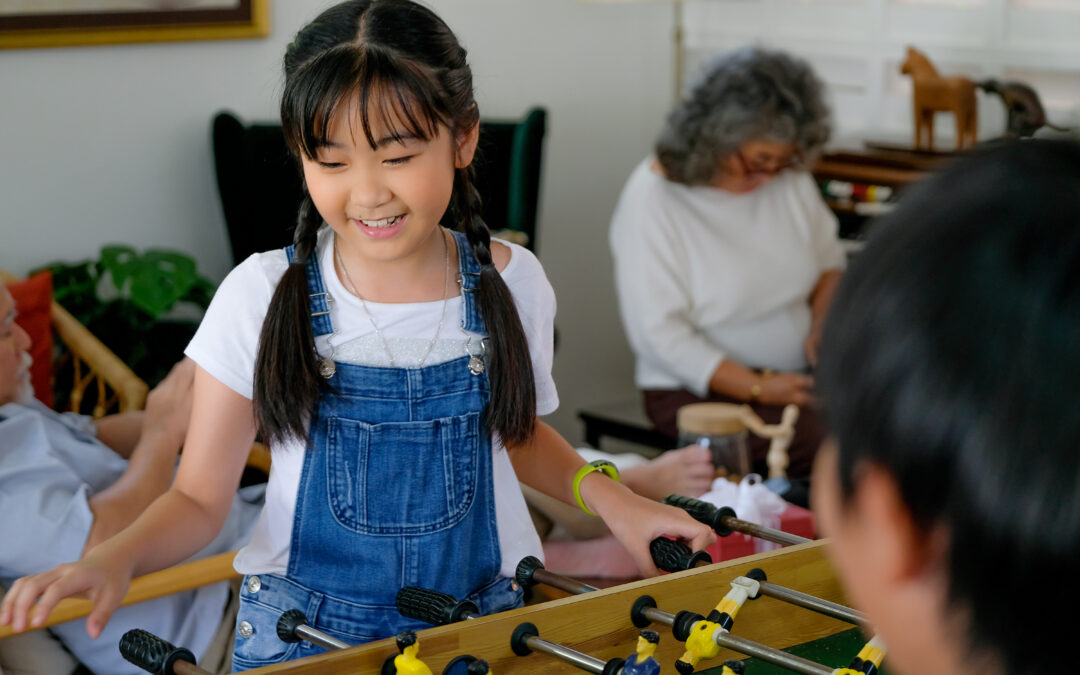
Applied Behavior Analysis (ABA) therapy plays a crucial role in promoting play skills in children. Through structured and systematic interventions, ABA therapists can help children with autism spectrum disorder and other developmental disabilities learn how to engage in imaginative play, social games, and cooperative activities. By breaking down play skills into small, achievable steps, ABA therapy can help children build foundational skills that are essential for social interactions, communication, and problem-solving.
ABA therapists use positive reinforcement, prompting, and shaping techniques to teach children how to engage in play activities independently. By creating a supportive environment that encourages exploration and creativity, ABA therapy helps children develop confidence and a sense of mastery over their environment. Through play-based interventions, children can learn important skills such as turn-taking, sharing, and following social cues, which are essential for building relationships and thriving in social settings.
Benefits of Incorporating Play into ABA Therapy
Incorporating play into ABA therapy sessions offers numerous benefits for children with developmental disabilities. Play allows children to practice important skills in a natural and enjoyable context, making learning fun and engaging. Through play-based interventions, children can improve their social and communication skills, learn how to regulate their emotions, and enhance their problem-solving abilities. Play also provides opportunities for children to explore their interests, develop their creativity, and build resilience in the face of challenges. By incorporating play into ABA therapy sessions, therapists can create a supportive and nurturing environment that encourages children to learn, grow, and reach their full potential.
The Importance of Play in Child Development
Role of Applied Behavior Analysis in Promoting Play
Applied Behavior Analysis (ABA) therapy plays a crucial role in promoting play skills in children. Through structured and systematic interventions, ABA therapists can help children with autism spectrum disorder and other developmental disabilities learn how to engage in imaginative play, social games, and cooperative activities. By breaking down play skills into small, achievable steps, ABA therapy can help children build foundational skills that are essential for social interactions, communication, and problem-solving.
ABA therapists use positive reinforcement, prompting, and shaping techniques to teach children how to engage in play activities independently. By creating a supportive environment that encourages exploration and creativity, ABA therapy helps children develop confidence and a sense of mastery over their environment. Through play-based interventions, children can learn important skills such as turn-taking, sharing, and following social cues, which are essential for building relationships and thriving in social settings.
Benefits of Incorporating Play into ABA Therapy
Incorporating play into ABA therapy sessions offers numerous benefits for children with developmental disabilities. Play allows children to practice important skills in a natural and enjoyable context, making learning fun and engaging. Through play-based interventions, children can improve their social and communication skills, learn how to regulate their emotions, and enhance their problem-solving abilities. Play also provides opportunities for children to explore their interests, develop their creativity, and build resilience in the face of challenges. By incorporating play into ABA therapy sessions, therapists can create a supportive and nurturing environment that encourages children to learn, grow, and reach their full potential.